Korean sunscreen: SPF50+, PA++++ and the different textures
What SPF and PA mean on a Korean label, mineral vs chemical filters, and the difference between sun creams, sticks, serums and cushions.
Updated: 2026-11-12
Korean sunscreens are popular abroad because they feel light and leave little white cast. Their labels use two ratings, SPF and PA, and in Korea sunscreen is regulated as a functional cosmetic, so its UV protection claims have to be reviewed or reported to the Ministry of Food and Drug Safety.
SPF: protection from UVB
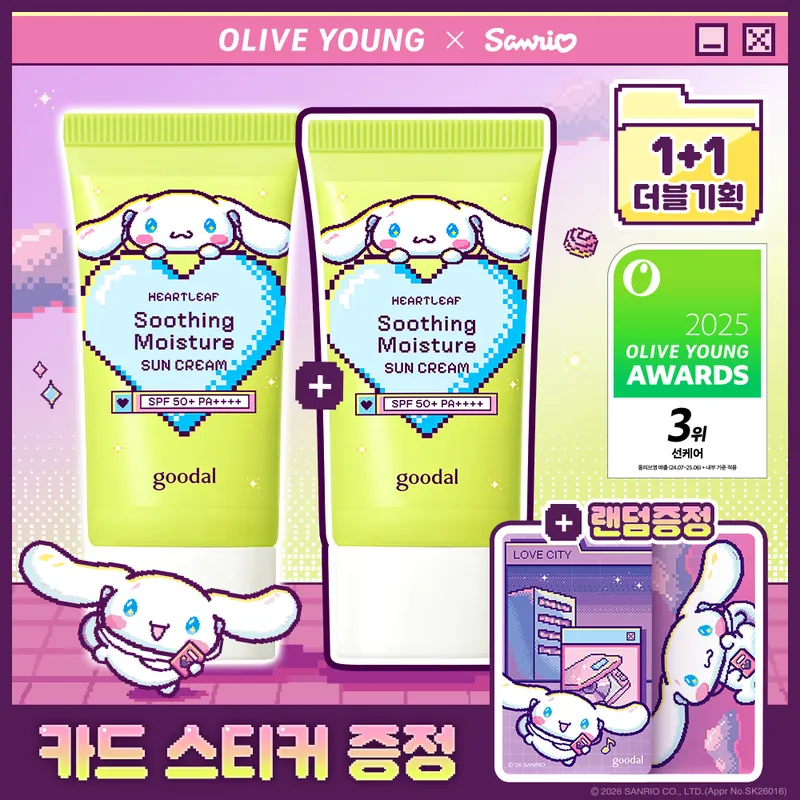
SPF measures protection from UVB, the rays that cause sunburn. In Korea the highest value printed on a label is “SPF50+”.
PA: protection from UVA
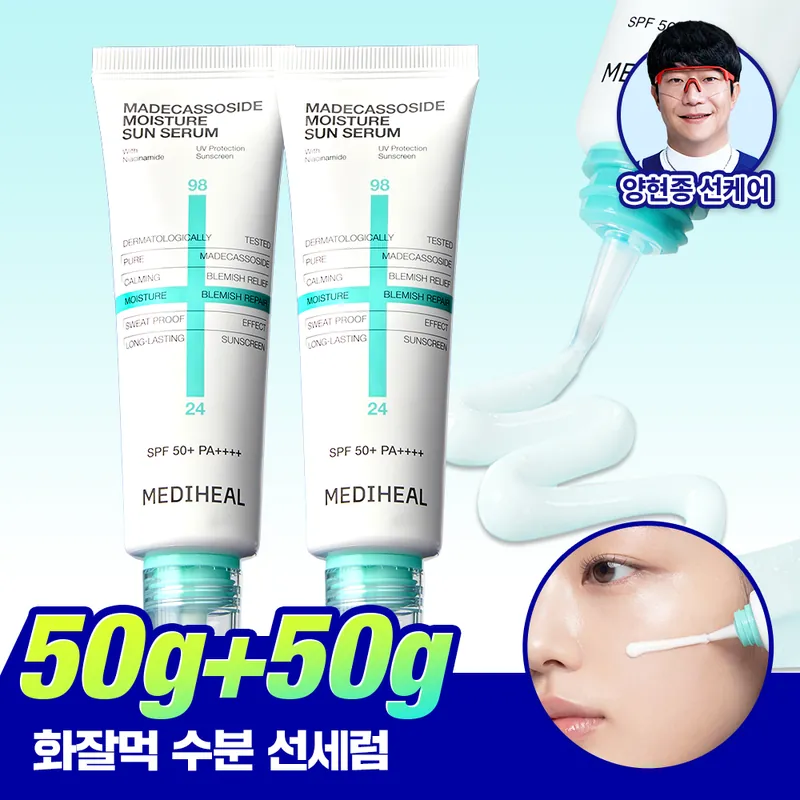
PA (Protection Grade of UVA) measures protection from UVA, the rays linked to skin ageing and dark spots. It goes from PA+ to PA++++; more plus signs mean higher UVA protection. Many Korean daily sunscreens are SPF50+ PA++++.
Mineral and chemical filters
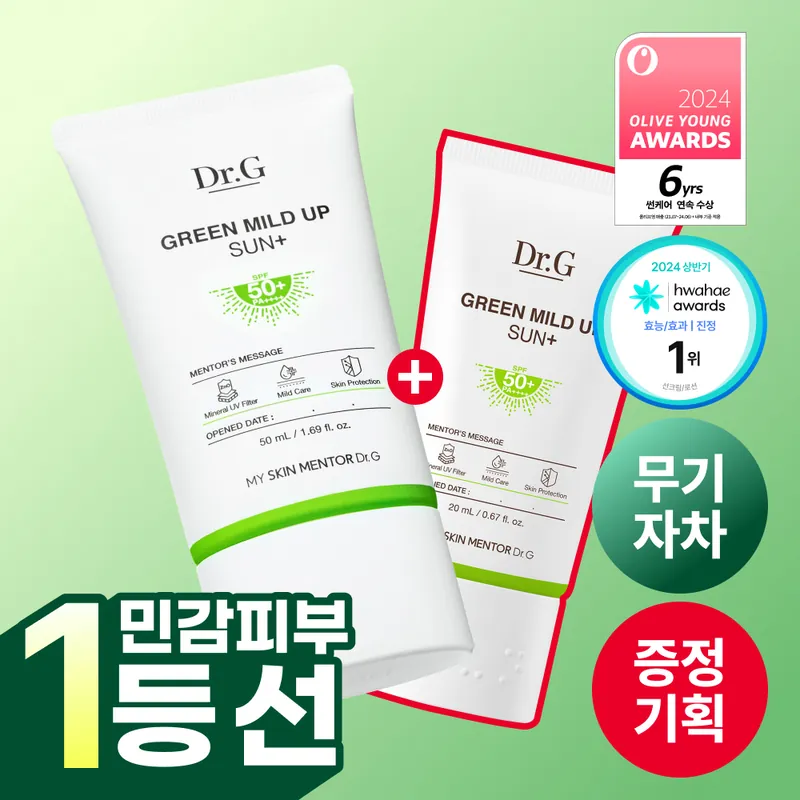
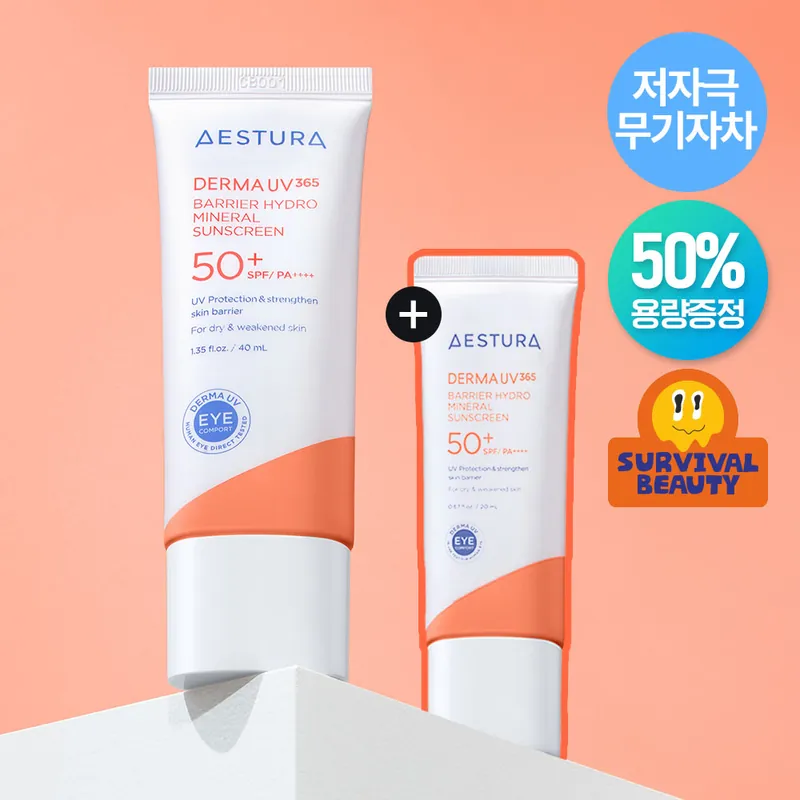
Mineral (also called physical) sunscreens use zinc oxide or titanium dioxide. They are often chosen for sensitive skin but can leave a white tint. Chemical (organic) filters absorb UV and usually feel lighter. Many Korean sunscreens combine both.
Textures you will see
- Sun cream (선크림): the classic. Good for most people.
- Sun serum or essence: very light and watery, popular for oily skin and under makeup.
- Sun stick (선스틱): solid, easy to reapply over makeup.
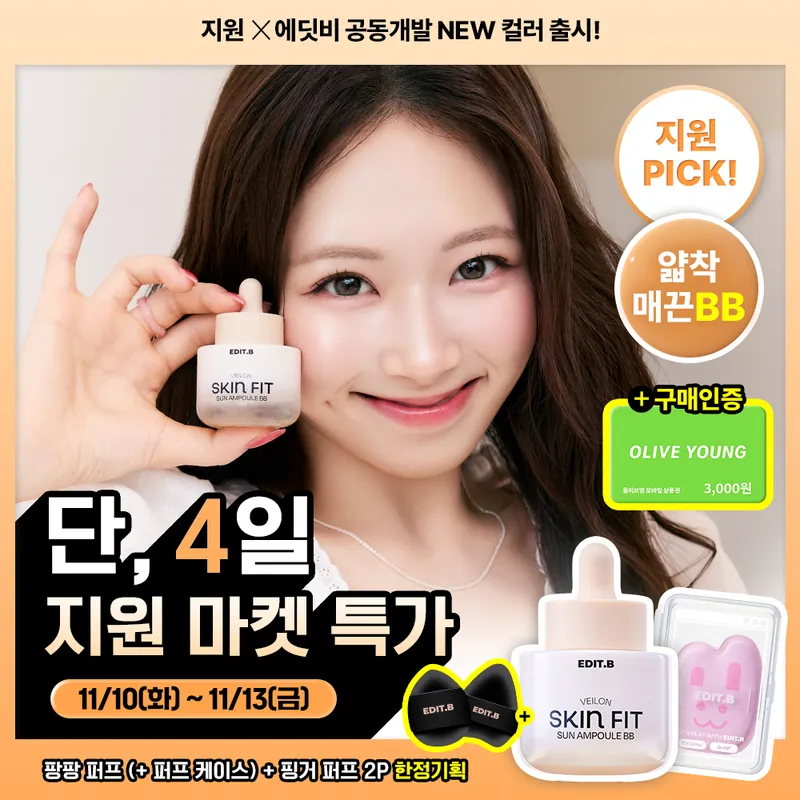
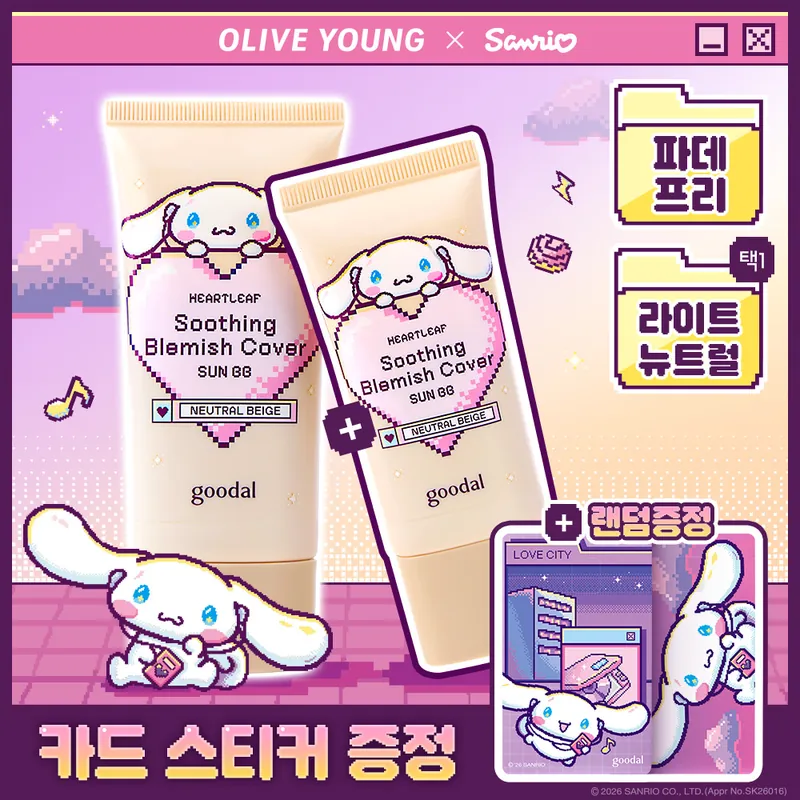
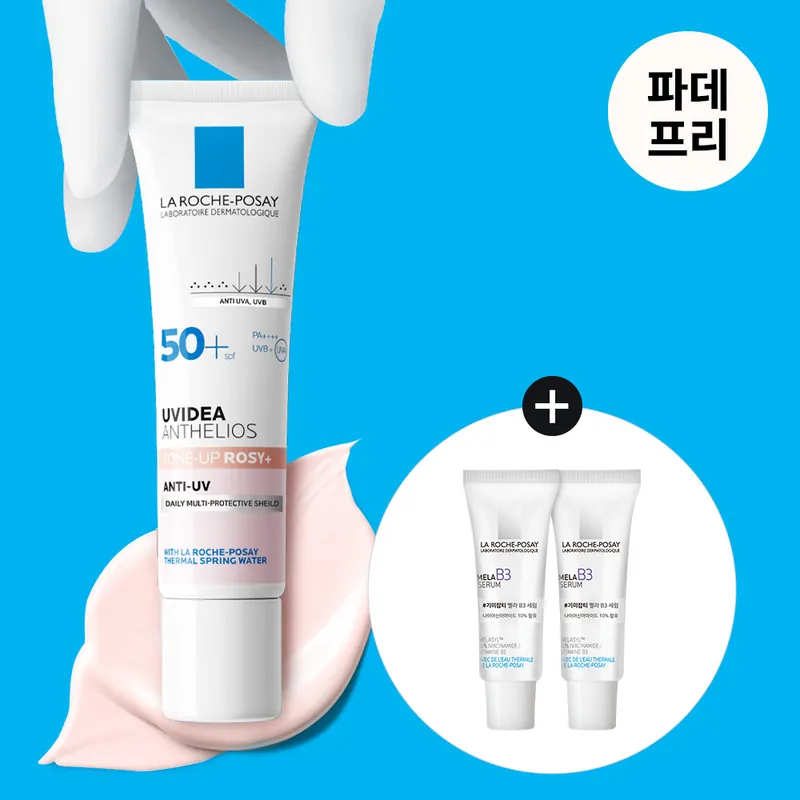
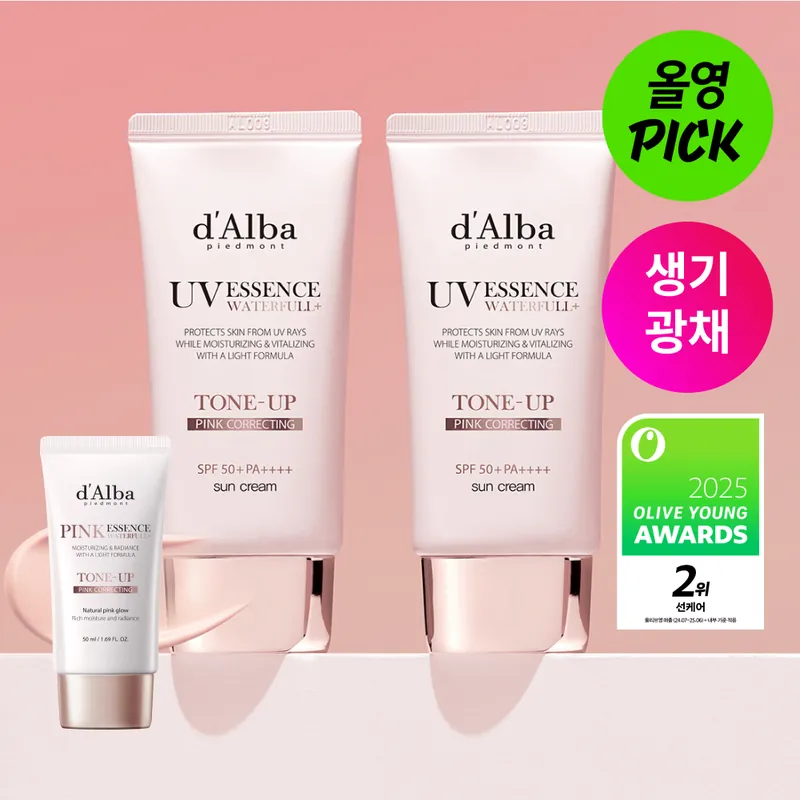
- Sun cushion or tone-up cream: adds a little colour or brightness.
Whichever you choose, apply enough to cover your whole face and neck evenly, and reapply when you are outdoors for a long time.